


Acustica di base

Video: Test per il posizionamento delle trappole acustiche angolari
Use a pink noise file to find where bass is building up in your room corners — then treat those spots first. A simple, practical guide from GIK Acoustics.

Bass Traps e comprensione delle basse frequenze
Low frequencies don't travel in a straight line — they radiate, wrap, and bounce around your room in ways that cause peaks, nulls, and muddy decay. Learn why bass traps are the essential first step in any acoustic treatment plan.
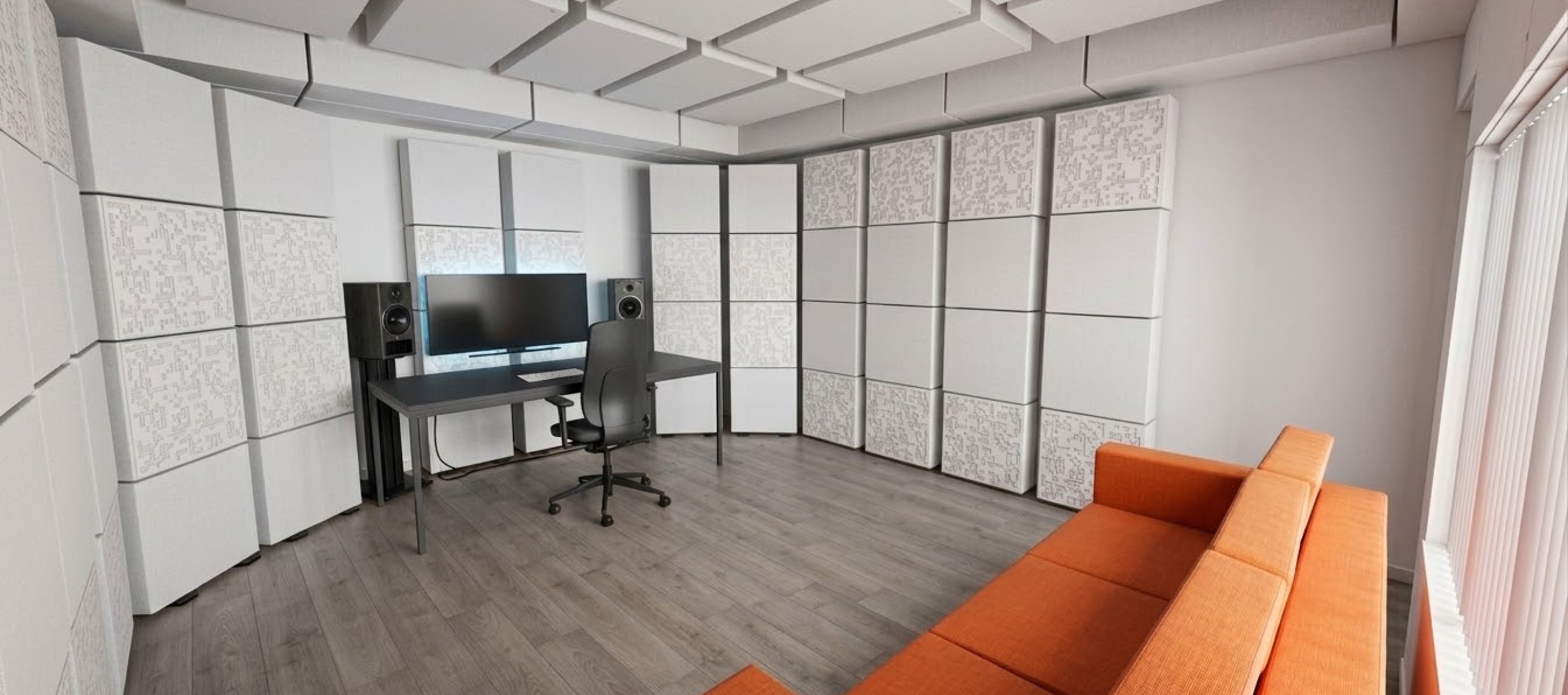
Video: Punti di prima riflessione o riflessione precoce
Early reflections are one of the most common — and most fixable — problems in any listening room. Learn what they are, why they matter, and how to find and treat them using the simple mirror trick.
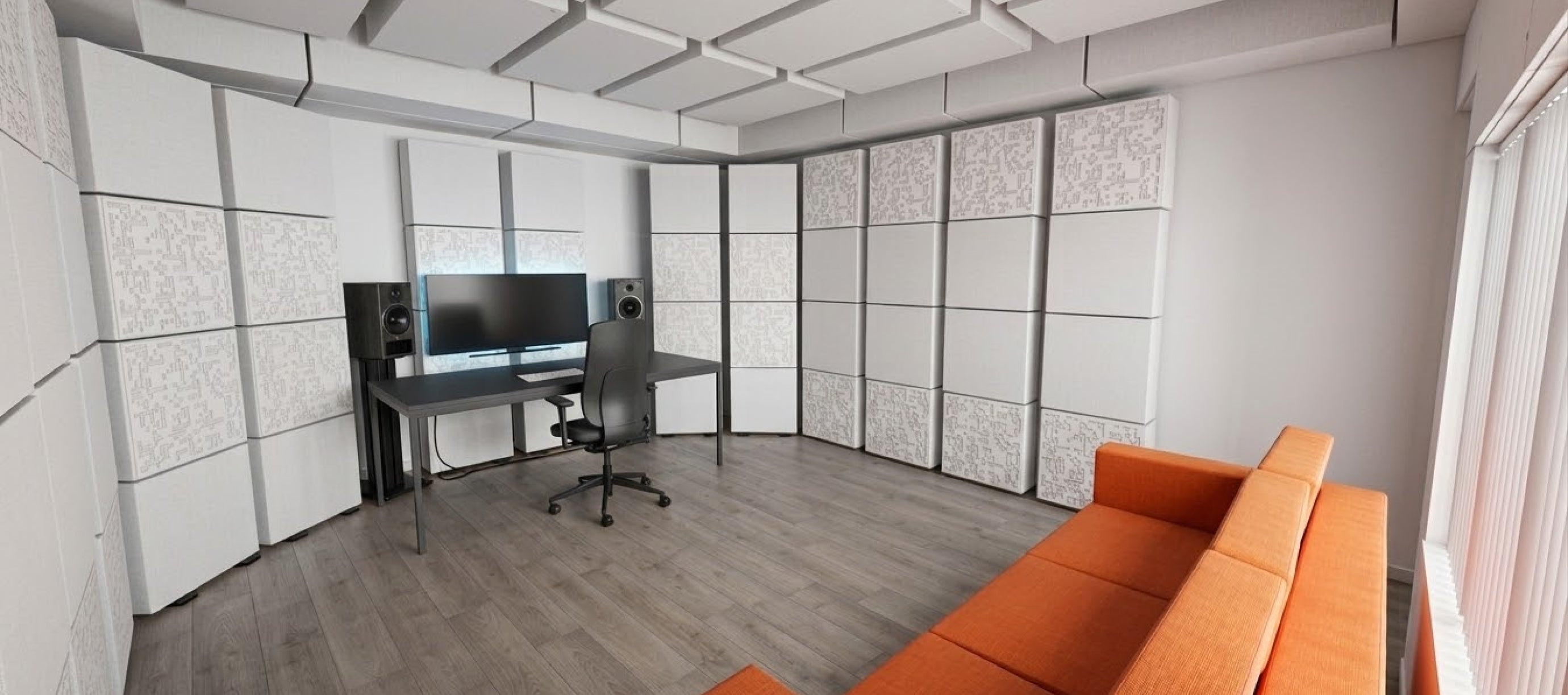
Posizionamento del punto di ascolto
Where you position your listening spot — and which direction you face — has a dramatic impact on your room's sound quality. One of the most common questions in room acoustics is: should you face the long wall or the short wall?
Getting your orientation right is the first step before adding any acoustic treatment.
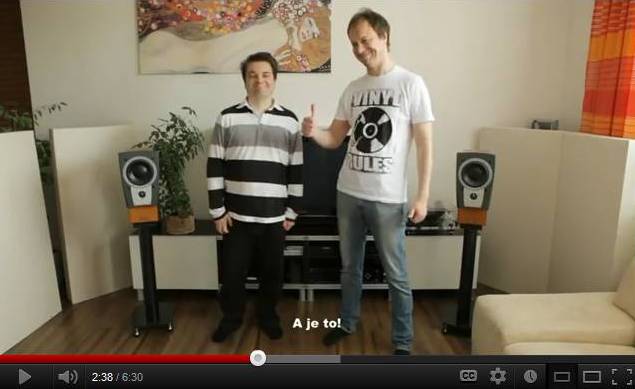
Soggiorno trattato temporaneamente
Discover how temporary acoustic treatments can transform multi-use rooms without mounting panels to walls or ceilings. In this educational video, Zalan Schuster demonstrates using GIK FlexRange® Acoustic Panels and Bass Trap Panels to improve clarity, reduce reflections, and control low frequencies in a 4×4 meter living room with an attached kitchen. Perfect for spaces where permanent treatments aren’t possible, these temporary solutions provide noticeable improvements in sound quality while keeping your room flexible for everyday use.

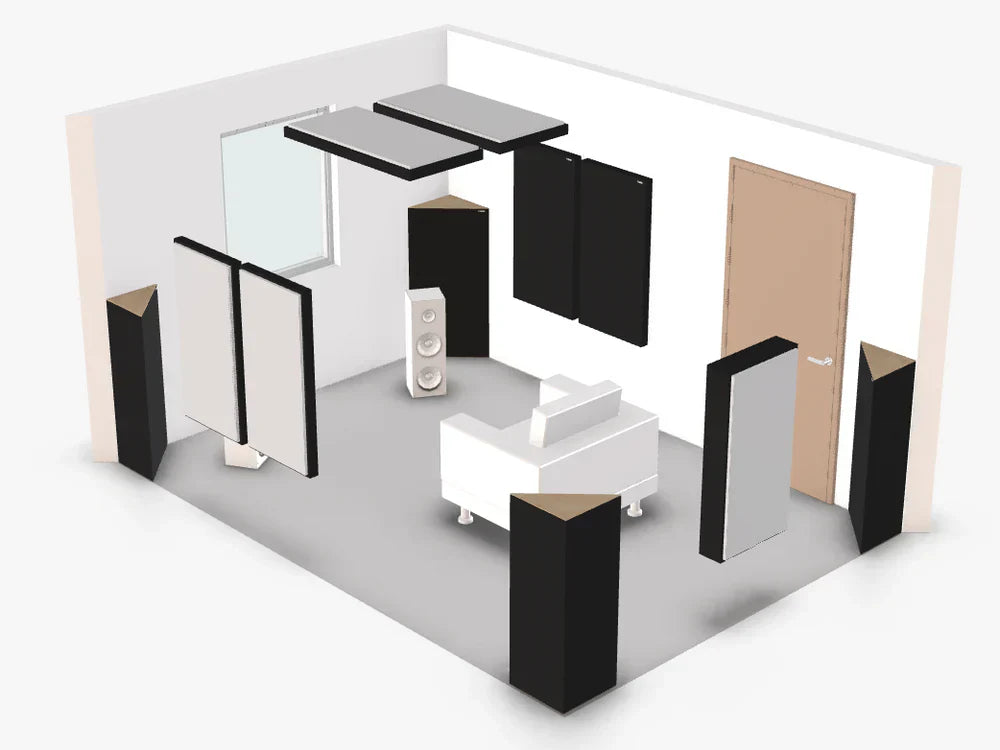
Even with great gear and acoustic treatment, poor monitor positioning can ruin sound quality. This guide explains common speaker placement mistakes and how to fix them using proper spacing, height, and toe-in. Starting with an equilateral listening triangle helps improve stereo imaging, balance, and overall clarity in studios, home theaters, and listening rooms.
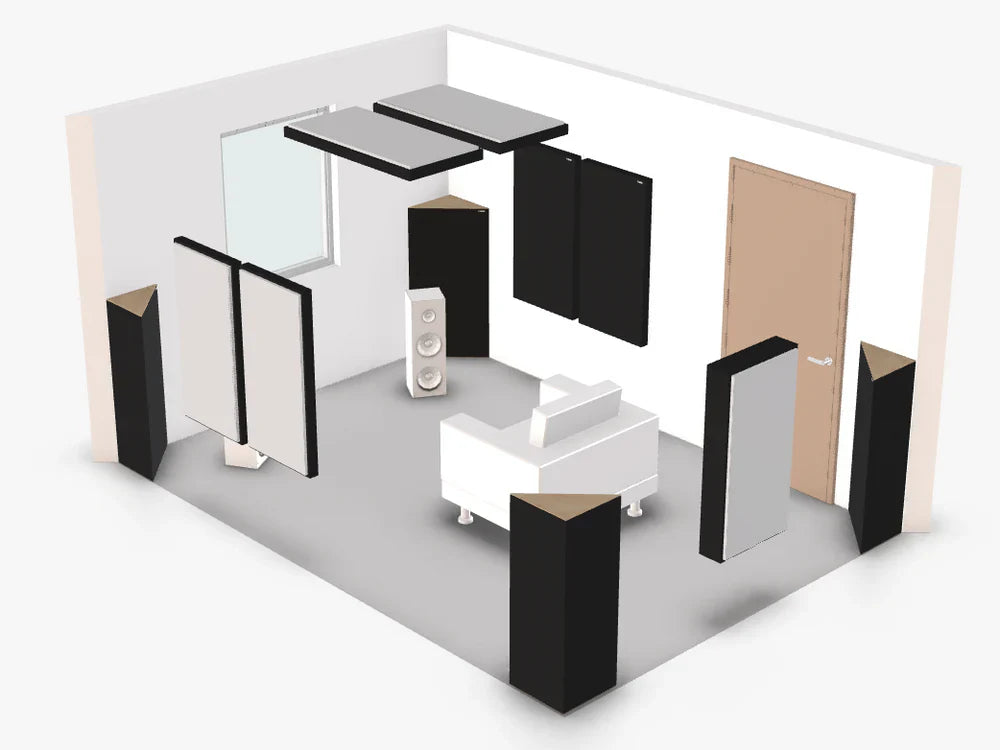
Cosa non fare quando si prepara una stanza
Setting up a room for great sound means avoiding common mistakes that hurt bass response, imaging, and overall clarity. This guide covers key setup pitfalls—like poor seating placement, incorrect speaker positioning, and subwoofer misplacement—along with practical tips to improve frequency response and system performance in home theaters and listening rooms.
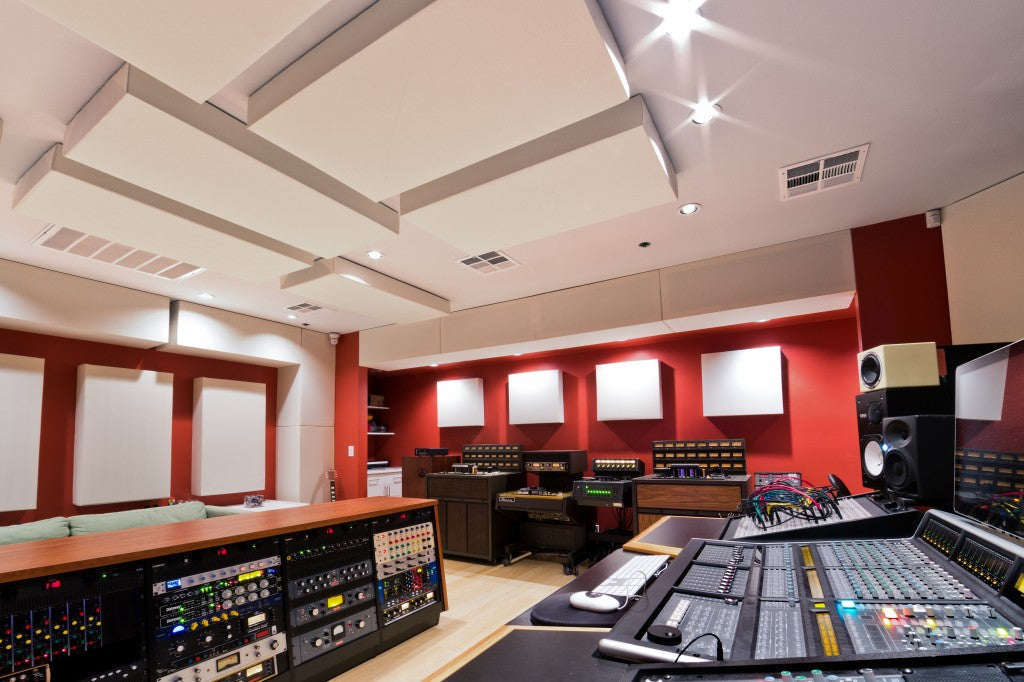
Bass traps are essential for controlling low-frequency sound, reducing standing waves, and improving clarity in studios, home theaters, and listening rooms. This guide explains how bass traps work, the difference between porous and resonant absorbers, and where to place them—like corners, walls, and ceilings—for the best acoustic results.