


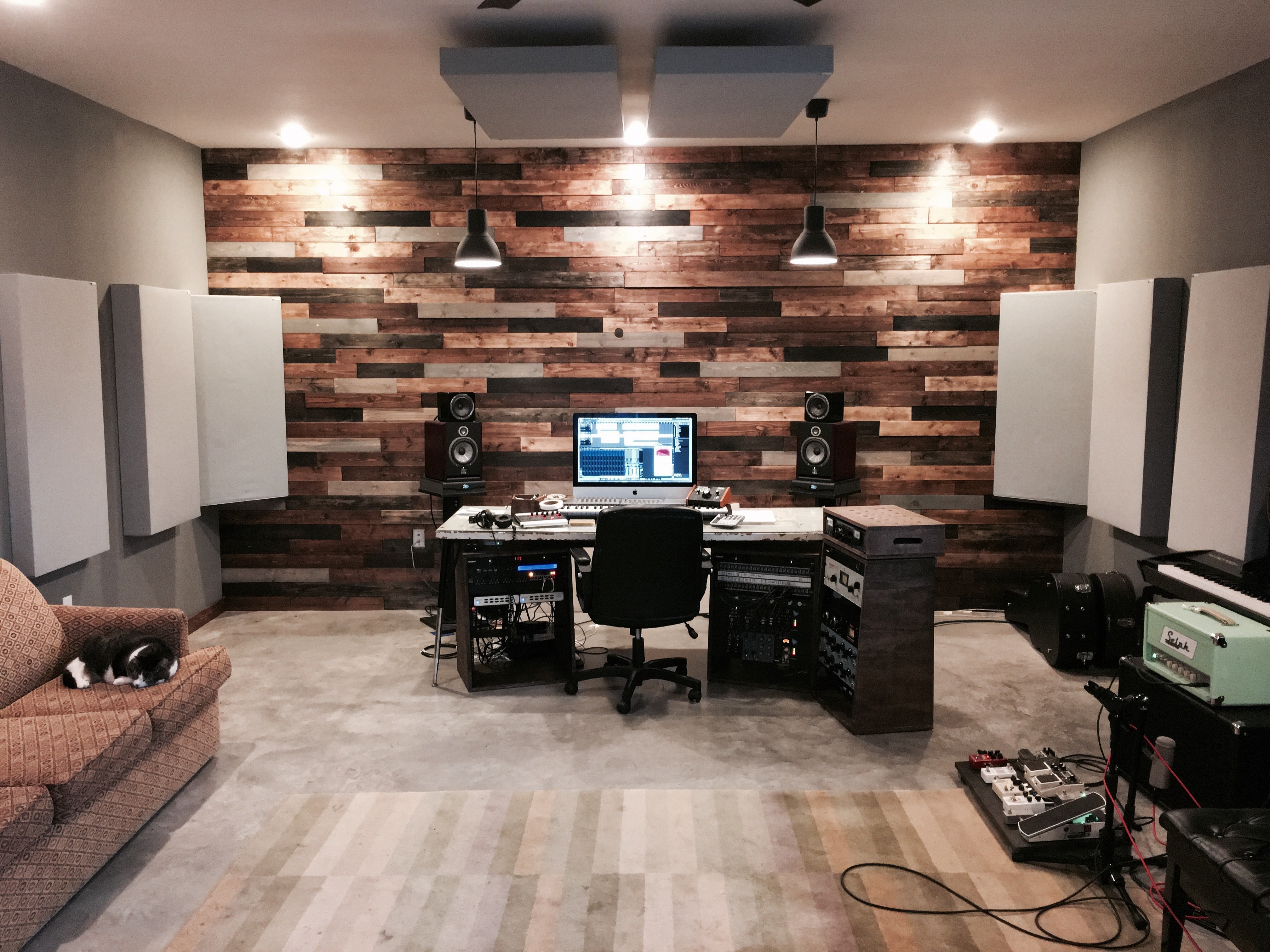

GIK Acoustics at the University of Salford: Why Independent Testing Still Matters
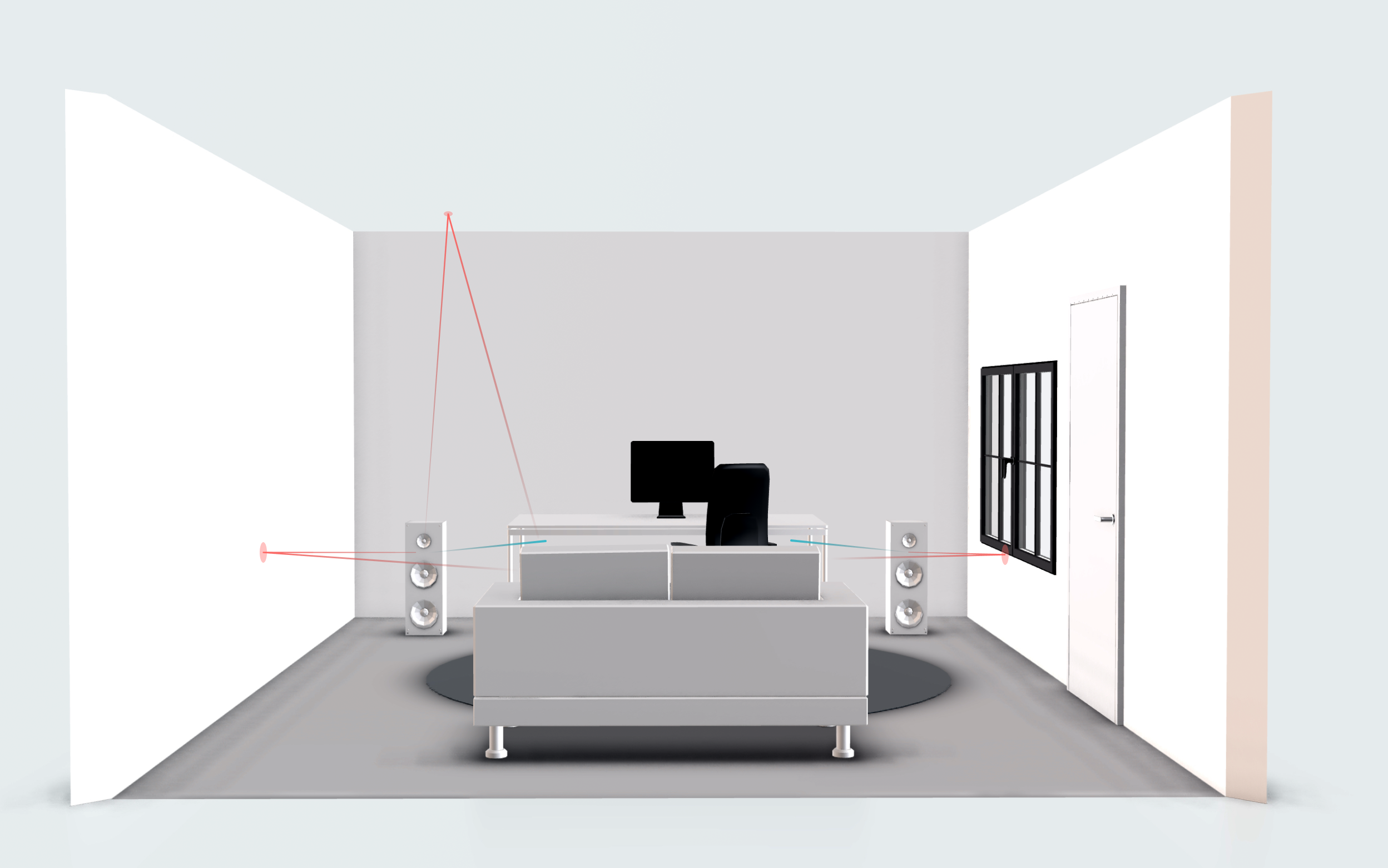
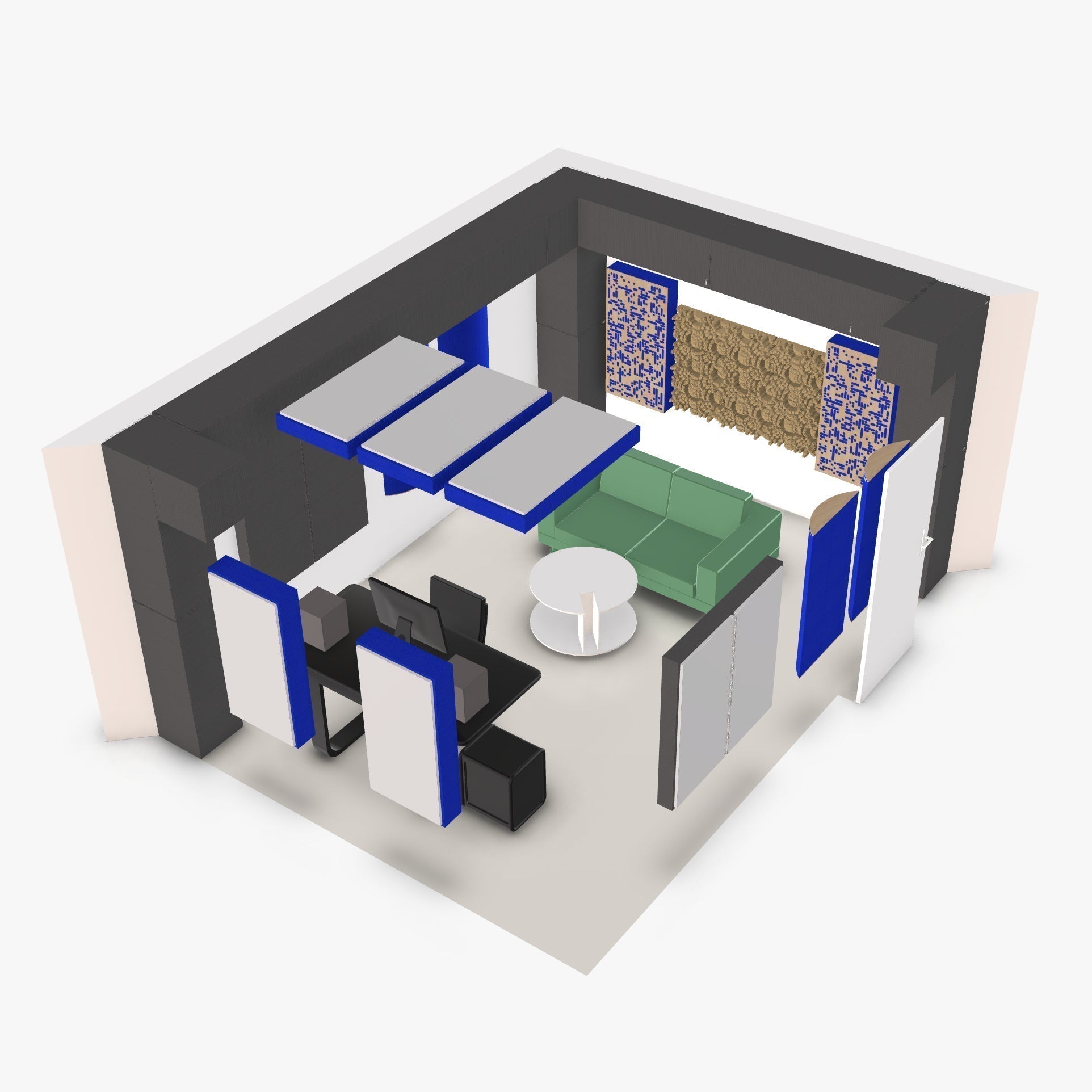
The Importance of a Trustworthy Listening Environment

Diffusion is one of the most misunderstood tools in acoustic treatment. This short video breaks down how diffusers work and which type is the right choice for your studio, hi-fi listening room, or home cinema.

Home Theaters and Acoustic Balance with John Dykstra
"I don't want my room to be too dead" — it's the first thing most clients say. GIK designer John Dykstra explains why balance is the real goal, and why home theaters and surround rooms need to be treated very differently from stereo listening spaces.

Carpet will absorb high frequencies, but that’s not always the kind of absorption we need to balance our rooms.

Debunking Sound Diffusion Myths
Avoid common diffusion mistakes—learn how to properly use diffusors to improve clarity, balance, and spaciousness in your room acoustics.

What does a room actually sound like without treatment? GIK pulls every panel out of their demo room and runs frequency response, playback, and recording tests to show you exactly what proper acoustic treatment does.