


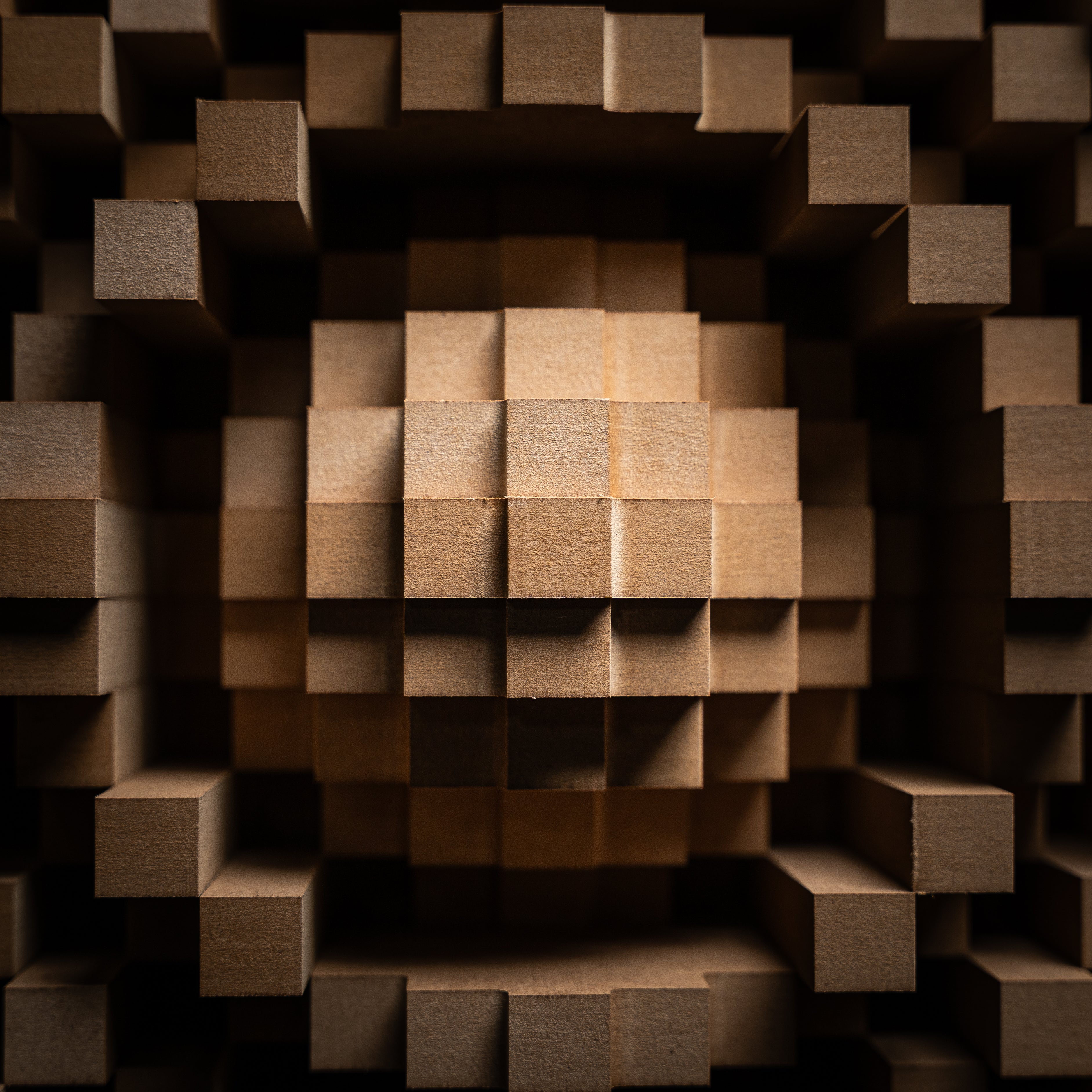
Vidéo : Comment ça marche la diffusion
This short video companion to our How Diffusion Works article explains the science of sound diffusion in plain language. It covers how a properly designed diffuser scatters sound waves evenly across time, direction, and intensity, why home remedies like bookshelves don't work, and what to look for in a professional diffuser.
Comprendre les différents pièges à basses
Not all bass traps work the same way. This guide breaks down the difference between broadband velocity absorbers and precision-tuned pressure absorbers — and how to use both to get accurate, controlled low end in any room.
Bass Traps et comprendre les basses fréquences
Low frequencies don't travel in a straight line — they radiate, wrap, and bounce around your room in ways that cause peaks, nulls, and muddy decay. Learn why bass traps are the essential first step in any acoustic treatment plan.
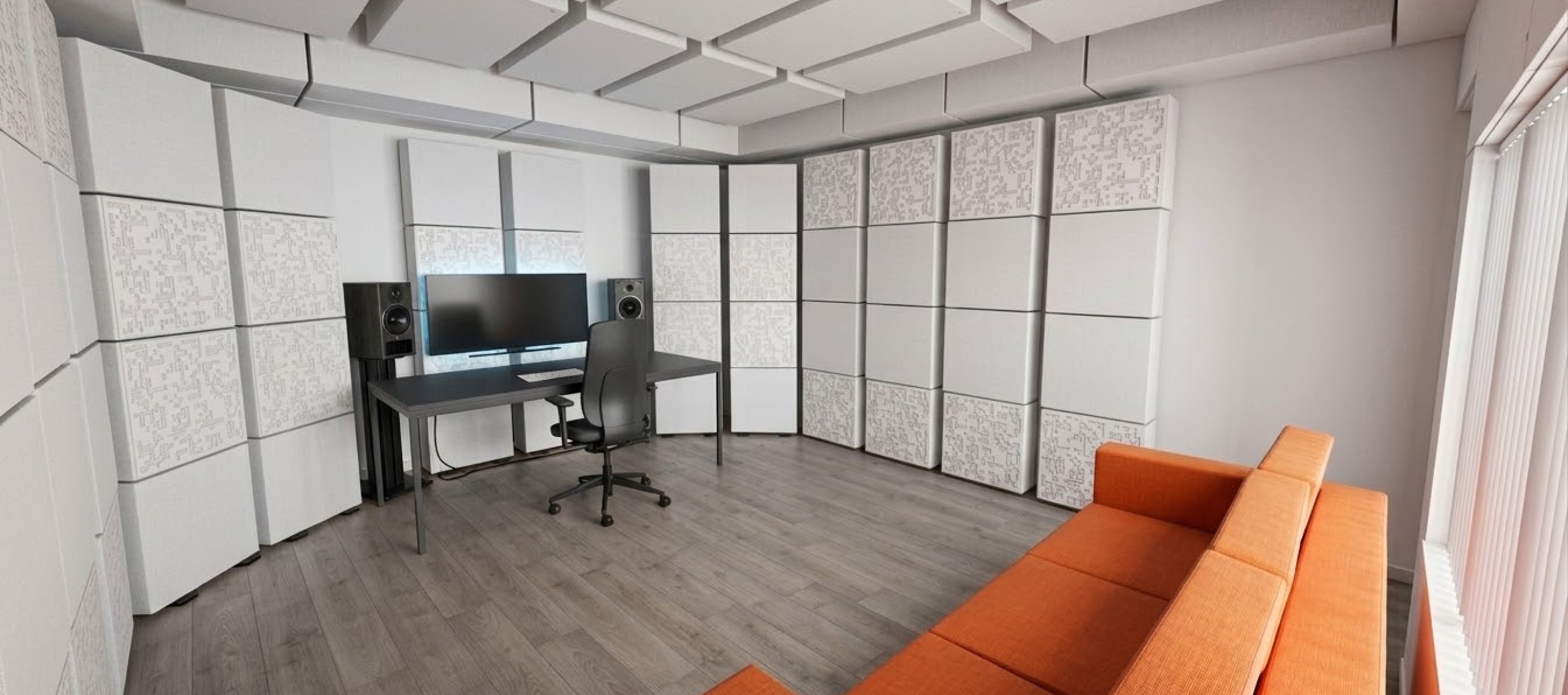
Vidéo : Premiers points de réflexion
Early reflections are one of the most common — and most fixable — problems in any listening room. Learn what they are, why they matter, and how to find and treat them using the simple mirror trick.
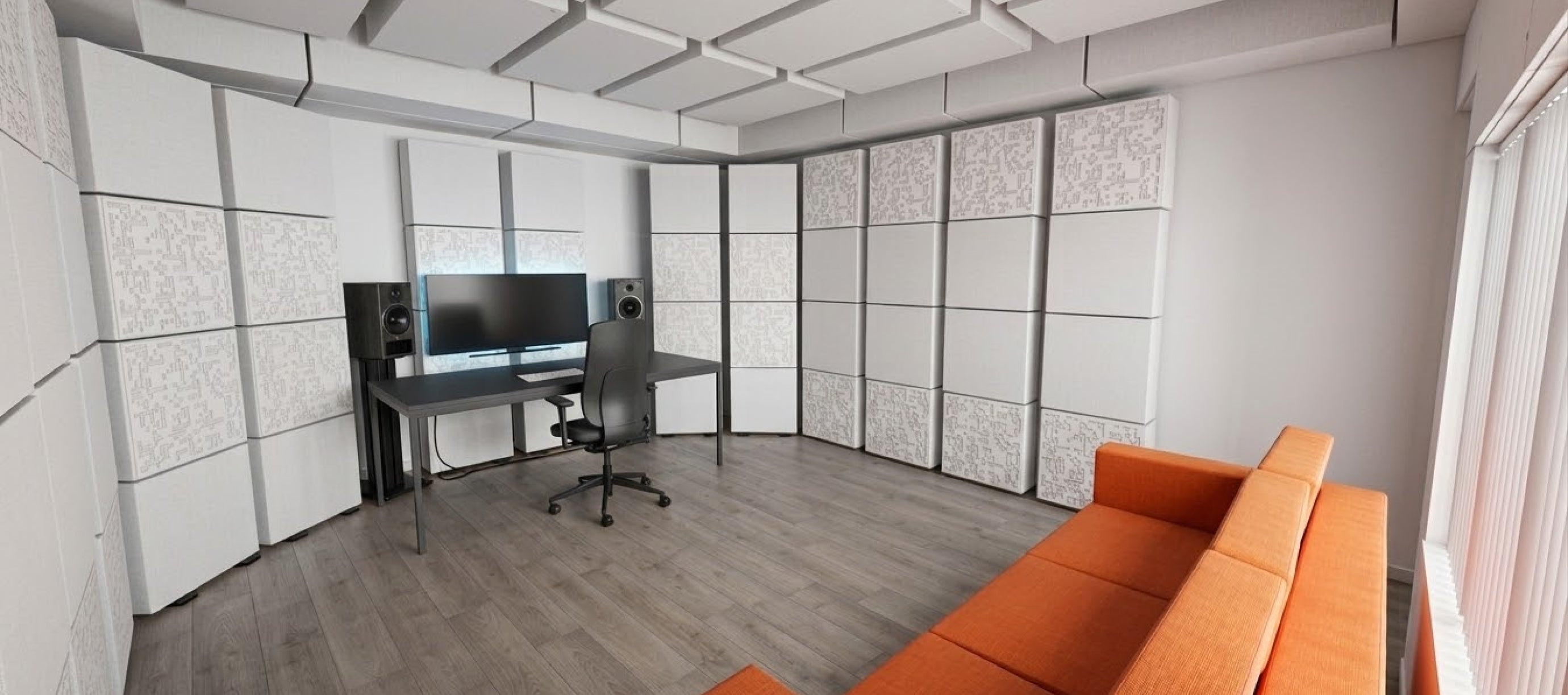
Where you position your listening spot — and which direction you face — has a dramatic impact on your room's sound quality. One of the most common questions in room acoustics is: should you face the long wall or the short wall?
Getting your orientation right is the first step before adding any acoustic treatment.
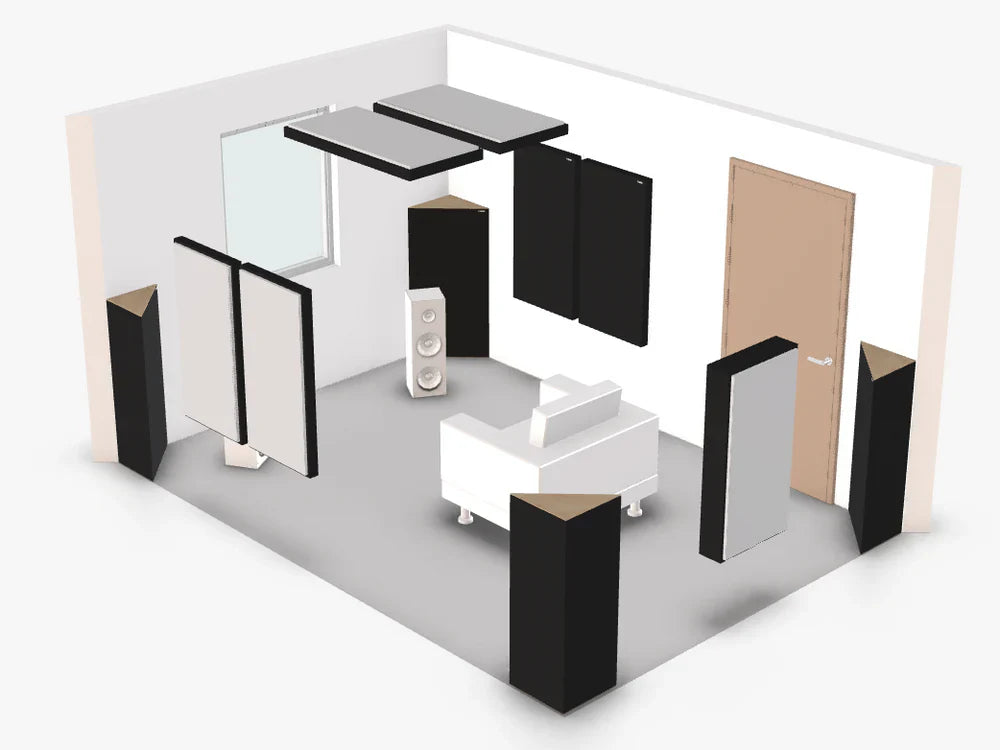
Configuration de la salle : trucs à éviter
Setting up a room for great sound means avoiding common mistakes that hurt bass response, imaging, and overall clarity. This guide covers key setup pitfalls—like poor seating placement, incorrect speaker positioning, and subwoofer misplacement—along with practical tips to improve frequency response and system performance in home theaters and listening rooms.
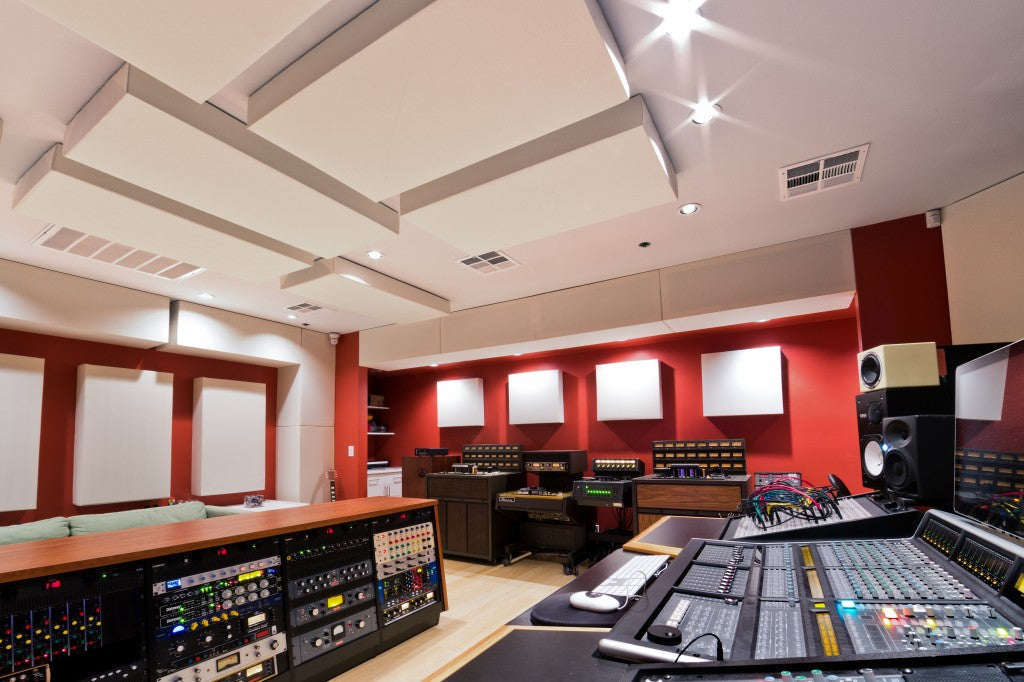
Comment ça marche, les Bass Traps ?
Bass traps are essential for controlling low-frequency sound, reducing standing waves, and improving clarity in studios, home theaters, and listening rooms. This guide explains how bass traps work, the difference between porous and resonant absorbers, and where to place them—like corners, walls, and ceilings—for the best acoustic results.
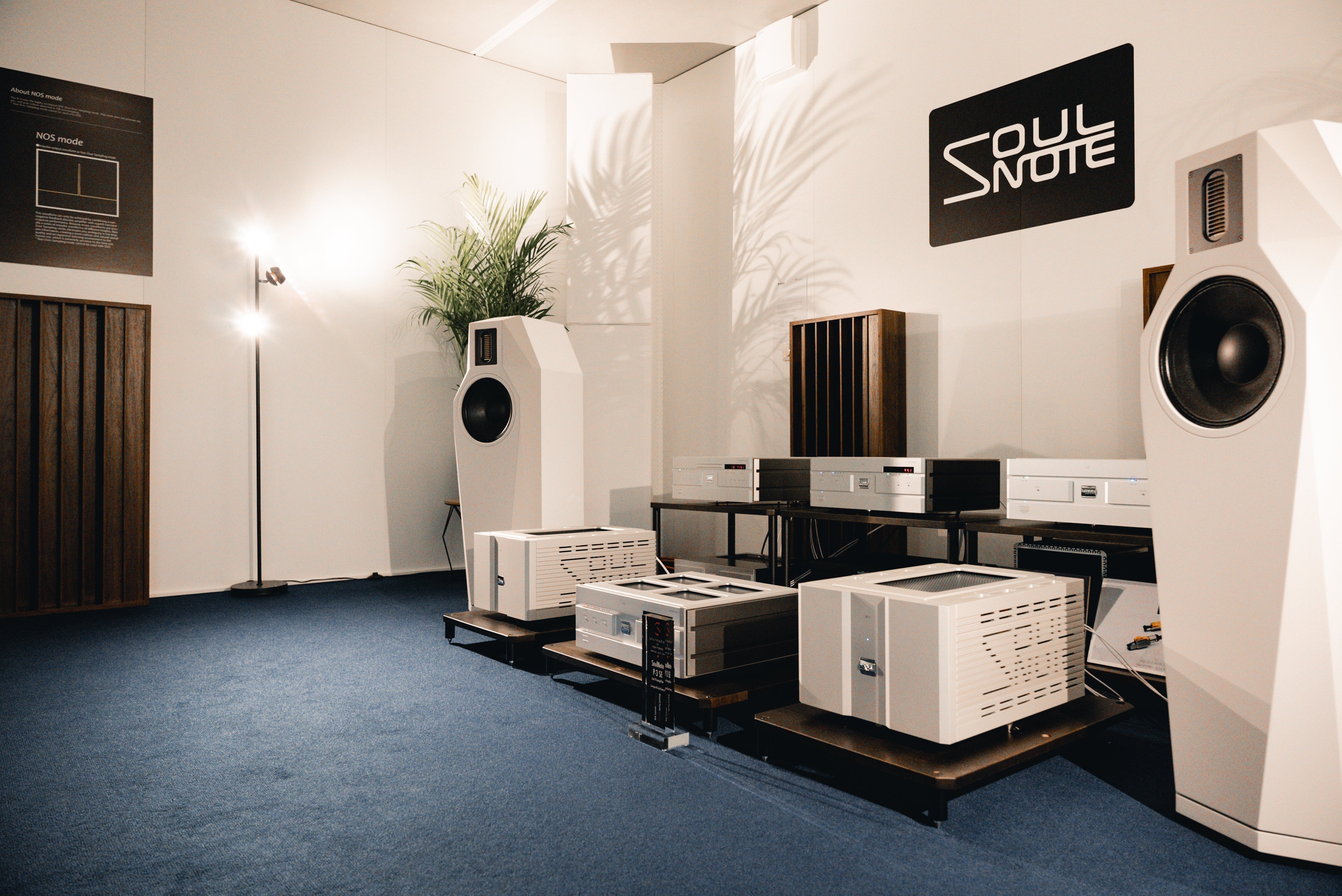
Pourquoi l'isolation (insonorisation) est importante
Sound isolation (soundproofing) is key for recording, home theaters, and listening rooms. Proper techniques block sound from entering or leaving a room, reduce noise floor, and improve dynamic range. Effective isolation combines airtight construction, acoustic materials, and strategic upgrades like added drywall, Green Glue, insulated doors, window plugs, and HVAC adjustments. Layered approaches—from basic insulation to advanced multi-layer construction—ensure quieter, more accurate sound.