


Acoustic Knowledge Base
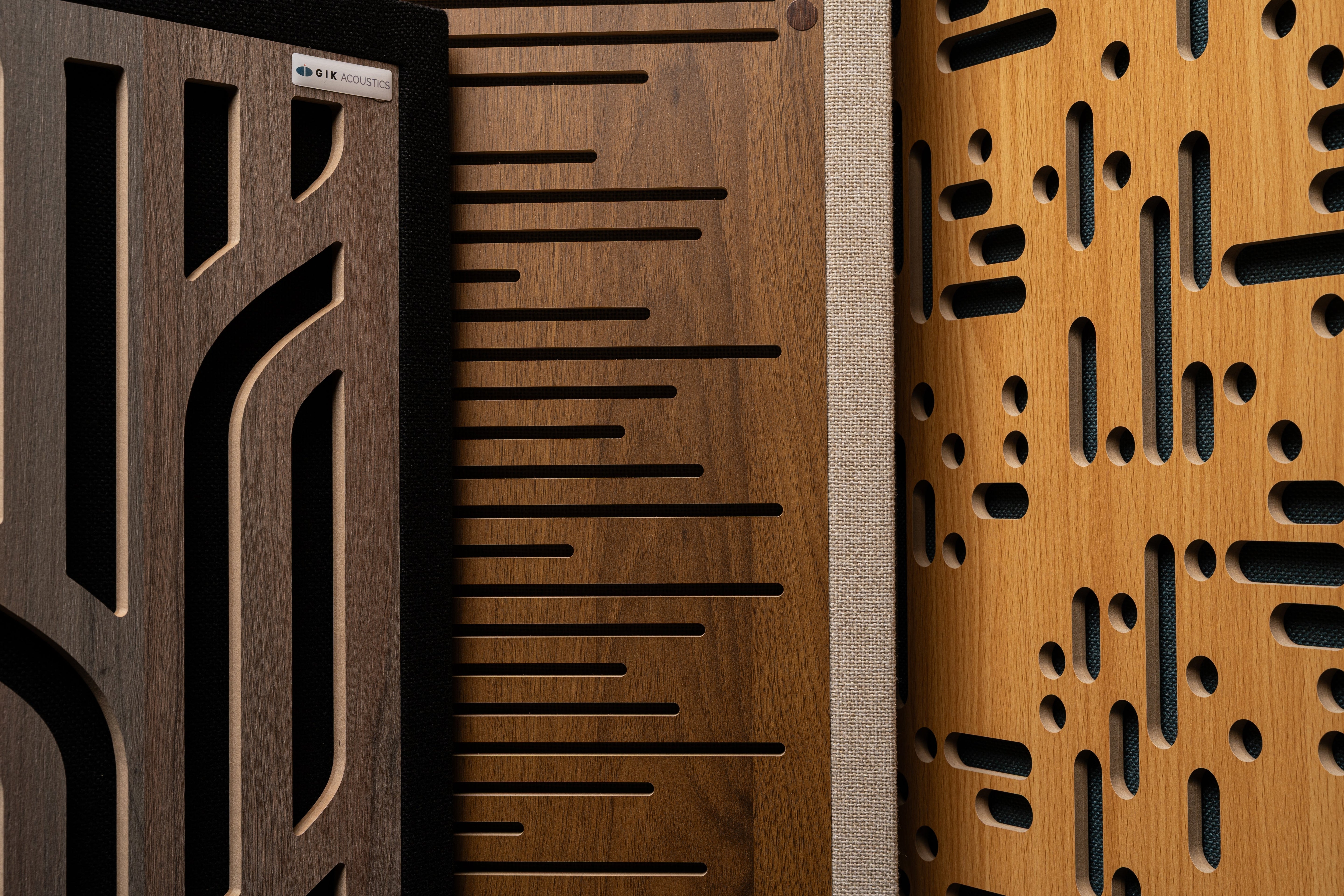
Adding Diffusion to Your Recordings
Studio drummer Dylan Wissing — known for his work with Alicia Keys, John Legend, and Drake — demonstrates the real-world impact of adding diffusion and absorption to a drum room. This video walks through the sound of the room untreated, then with Evolution PolyFusors, then with Amplitude™ Acoustic Panels, and finally with a combination of both. A practical, ear-opening listen for anyone treating a recording room.

Q&A with James Lindenschmidt and Gravitas Create
Acoustics designer James Lindenschmidt joined Gravitas Create for a live Facebook Q&A, fielding questions from the community about studio acoustics setup. Gravitas Create compiled the full session into a report — this article links out to it. A useful resource for anyone with questions about treating a studio or listening room.

Speaker Placement 201, Part Two: Using Subwoofers
Building on Part One, James Lindenschmidt dives into subwoofer placement strategies for flattening bass response — from basic corner placement to ¼ null-point positioning, crossover tweaking, and using two or four subwoofers to cancel out axial modes. An essential read for anyone with a subwoofer/satellite system looking to maximise low-end accuracy.

Speaker Placement 201: Part One
Getting speaker placement right means balancing two competing problems: stereo imaging and accurate bass response. In this first of a two-part series, James Lindenschmidt explores equilateral triangle setups, dual monitor configurations, room modes, SBIR, and when subwoofers can solve the compromise entirely. Essential reading for anyone setting up a listening room or studio.

Treating a recording room follows the same acoustic principles as a listening room, but the application is different. James Lindenschmidt walks through the key strategies — finding your sweet spot, bass trapping, managing early reflections, and balancing diffusion — to create a versatile, great-sounding space for recording drums, vocals, and full bands.

The Diffusion Dimension Download: 1D vs 2D Diffusion
1D diffusors scatter in one plane, 2D in both — but which is right for your room? This guide breaks down the real differences between one-dimensional and two-dimensional diffusion and explains which works best for listening rooms, live rooms, and everything in between.
Learning To Listen: Acoustics and the Listening Experience

Decoding Diffusion: Types of Acoustic Diffusors Explained
Diffusion is the most misunderstood acoustic treatment option. This deep dive breaks down the three main types — Reflection Phase Gratings, Geometric diffusors, and Binary Amplitude panels — explaining how each works and when to use each one.
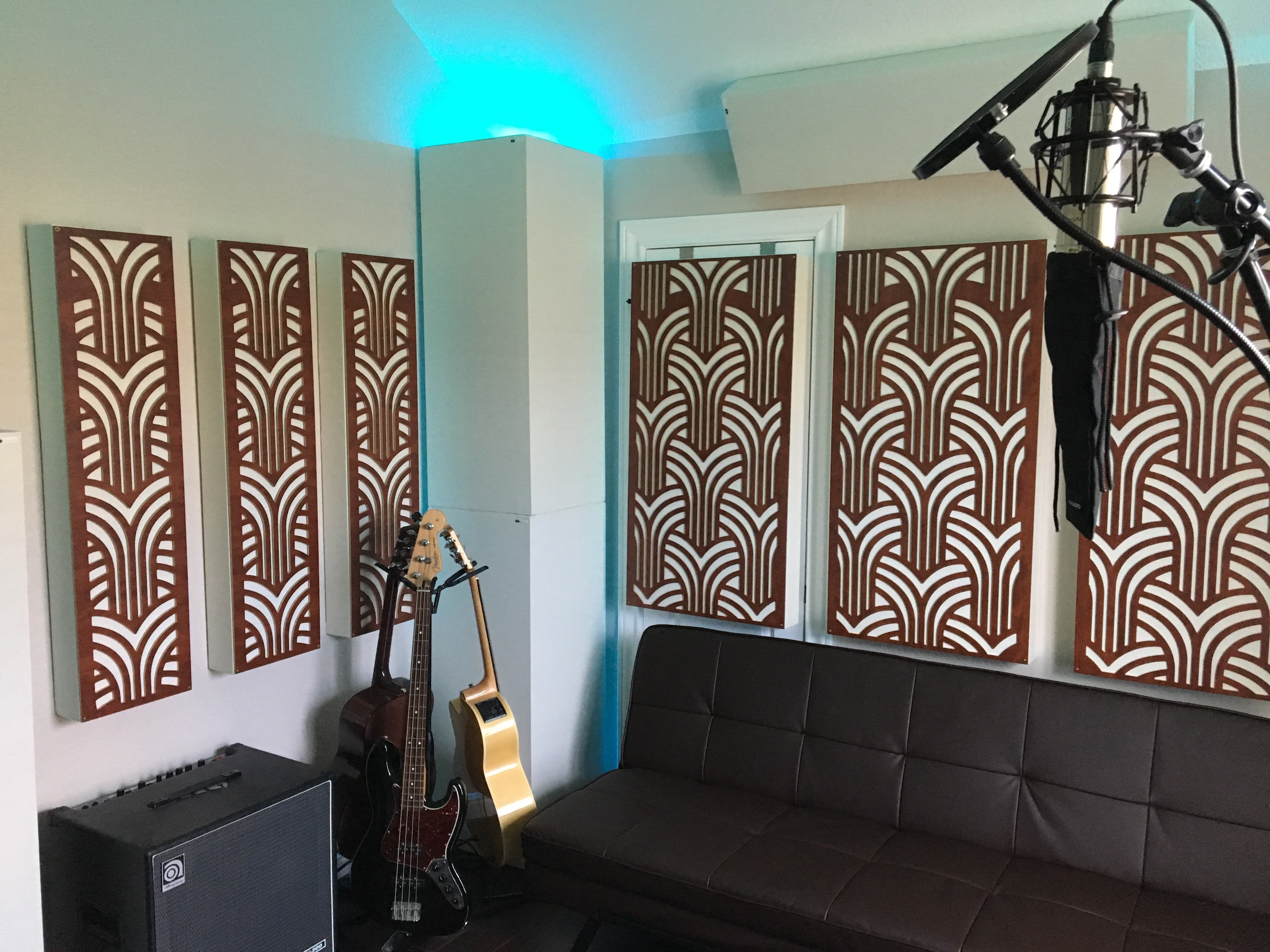
From mic technique to acoustic treatment, this guide covers every strategy voiceover artists need to produce clear, professional tracks — whether you're working in a dedicated studio, a treated bedroom, or an untreated room with portable panels.